Germany Freight and Logistics Market Analysis Report, Demand, Trends and Forecast 2033
- research mapping
- Oct 28, 2025
- 3 min read

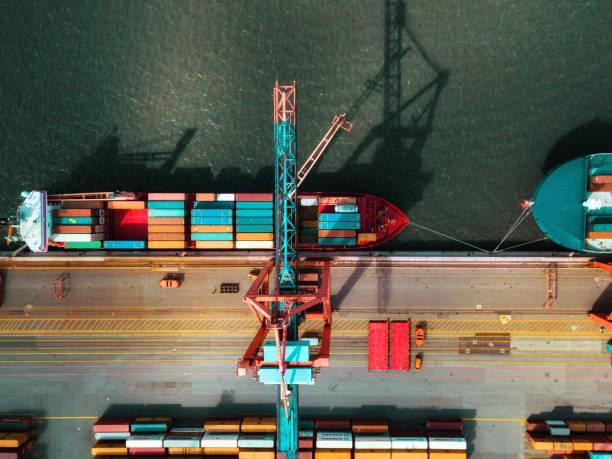
Germany Freight and Logistics Market Forecast by 2033
Market Size in 2024: USD 213.7 Billion
Market Forecast in 2033: USD 325.1 Billion
Market Growth Rate 2025-2033: 4.40%
The Germany freight and logistics market reached USD 213.7 Billion in 2024 and is projected to expand to USD 325.1 Billion by 2033. This growth reflects a compound annual growth rate (CAGR) of 4.40% during 2025-2033, underscoring the country’s strong transport infrastructure, industrial base, and central role in European trade.
Growth Drivers of the German Freight and Logistics Market
Adoption of Electric Trucks and Sustainable Transport
For example Maersk in Germany ordered 25 electric Volvo FH trucks to cut greenhouse gas emissions from hinterland container transport to and from sea ports, in line with Germany's decarbonisation targets and EU climate change policy. The Hamburg authorities invested €18 million in the project, supported by the German Federal Ministry for Transport. Such projects reflect a drive to improve the efficiency and reduce the environmental impact of freight activities in Germany and to lead the way in future developments.
Rising Fuel Prices and EU Emissions Trading System
Germany is one of the largest importers of natural gas in the world, and high fuel prices also affect it. Starting in 2027, a revision of the emissions trading system (ETS II) will result in a higher fuel price of about €0.38/liter of petrol and €0.03/kWh of natural gas compared to 2026 (according to Clean Energy Wire). In the shorter term, shifting from fixed-price carbon pricing to cap-and-trade emissions trading should incentivize logistics operators to improve fuel efficiency and stimulate the market for alternative energy technologies in freight transport.
Strong Transport Infrastructure and Industrial Base
One of the most wide-ranging transport networks in Europe helps Germany's logistics industry. The Autobahn stretches for over 13,000 kilometers. Rail freight connects industrial areas including the industrial belt and ports near Hamburg and Bremerhaven. Frankfurt Airport handles high value cargo and has logistics to ease the just in time supply of parts to the automotive and manufacturing sector, important components of the German economy. Additionally, the country's calculated location, bordered by nine countries, has transformed it into an important trade and freight hub and one of Europe's logistics centers.
Request a sample of the full report here: https://www.imarcgroup.com/germany-freight-logistics-market/requestsample
Germany Freight and Logistics Market Segmentation
Analysis by Logistics Function
Courier, Express and Parcel
By Destination Type
Domestic
International
Freight Forwarding
By Mode of Transport
Air
Sea and Inland Waterways
Others
Freight Transport
By Mode of Transport
Air
Pipelines
Rail
Road
Sea and Inland Waterways
Warehousing and Storage
By Temperature Control
Non-Temperature Controlled
Temperature Controlled
Others
Analysis by End Use Industry
Agriculture, Fishing and Forestry
Construction
Manufacturing
Oil and Gas, Mining and Quarrying
Wholesale and Retail Trade
Others
Analysis by Region
Western Germany
Southern Germany
Eastern Germany
Northern Germany
Competitive Landscape
The competitive landscape of the industry has also been examined along with the profiles of the key players.
Germany Freight and Logistics Market News:
June 2025: Germany’s transport logistics trade fair opened in Munich with 2,670 exhibitors from over 70 countries, focusing on supply chain shifts, digitalization, and decarbonization.
January 2025: Rheinmetall secured a Bundeswehr contract worth over €330 Million to deliver 568 military logistics vehicles, including UTF and swap-body trucks.
January 2024: Dachser launched “Targo on-site fix” across Europe, enhancing B2C delivery flexibility for omnichannel retail.
January 2024: Kuehne + Nagel introduced its Book & Claim insetting solution for electric vehicles, enabling customers to claim carbon reductions in road freight.
Ongoing: Hamburg and Bremerhaven ports continued to expand capacity, reinforcing Germany’s role as a key logistics hub in Europe.
Key highlights of the Report:
Market Performance (2019-2024)
Market Outlook (2025-2033)
COVID-19 Impact on the Market
Porter’s Five Forces Analysis
Strategic Recommendations
Historical, Current and Future Market Trends
Market Drivers and Success Factors
SWOT Analysis
Structure of the Market
Value Chain Analysis
Comprehensive Mapping of the Competitive Landscape
Note: If you need specific information that is not currently within the scope of the report, we can provide it to you as part of the customization.
About Us:
IMARC Group is a global management consulting firm that helps the world’s most ambitious changemakers to create a lasting impact. The company provide a comprehensive suite of market entry and expansion services. IMARC offerings include thorough market assessment, feasibility studies, company incorporation assistance, factory setup support, regulatory approvals and licensing navigation, branding, marketing and sales strategies, competitive landscape and benchmarking analyses, pricing and cost research, and procurement research.


Comments